

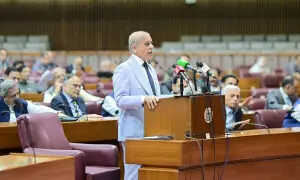
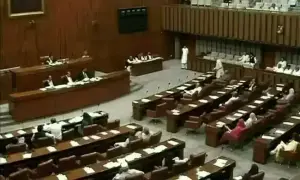
Speakers while addressing a seminar on "Viability of Flat Taxation in Pakistan" stressed the need for adopting better tax policies and lowering tax rates in Pakistan as high rate of taxes cause economic stagnation. Well-consulted Tax reforms would help us grow faster and broaden the tax net.
The seminar organized by the Lahore Chamber of Commerce & Industry on Saturday was also addressed by Member FBR Rehmatullah Khan, Secretary Excise & Taxation Dr Ahmad Bilal, President Lahore Tax Bar Association Farhan Shahzad, Usman Azmat from Punjab Finance Department, Commissioner Inland Revenue, LTU Lahore Chaudhry Muhammad Tariq, President Gujranwala Chamber Saeed Ahmed, Sajid Manzoor from Sheikhupura Chamber, Commissioner RTO Lahore Aftab Alam, Dr Nasir Ghauri from Corporate RTO Lahore and Commissioner Inland Revenue, Hamid Ateeq Sarwar.
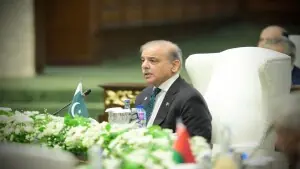
The LCCI President Abdul Basit said the objectives of the seminar is to initiate a debate on the need of having low, flat, predictable and broad-based taxes, mainly administered through efficient tax apparatus. These features will automatically create incentives for full compliance which will result in sustained economic growth, he said.
It is a well-established fact that the existing tax system in our country has certain structural and operational weaknesses. These shortcomings play their role in dispiriting taxpayers who have to follow cumbersome tax processes and bear rigid attitude of taxation machinery. Resultantly, the tax net is not broadening and present taxpayers are forced to endure extra burden of taxes, he added.
On the other hand this scenario is adversely affecting the performance of our economy. Pakistan's ease of doing business ranking in World Bank Survey is deteriorating every year and has come down from 75 in 2010 to 144 now. It is expected that Pakistan will go further down in this ranking this year, he maintained.
Abdul Basit said that this ranking is calculated after evaluating different factors and paying taxes is one of them. It should not be surprising for anyone that under the head of paying taxes, Pakistan is ranked at 156th place out of 190 countries. There was a consensus among most of the experts that as compared to traditional tax system, a flat tax would be extremely simple and said that many economies are attracted to the idea of flat tax because traditional taxation system caused reduction in economic growth. A flat taxation system would help faster economic growth and reduce the complexities, they added.
The speakers were of the view that our businessman pays different taxes for at least 47 times a year. This number keeps on increasing when a company is operating in other provinces which can go to 95. In contrast to that a Malaysian businessman only makes 13 different tax payments a year to fulfil his tax liability, they claimed.
They said that the tax process in Pakistan is so complex and extensive that a taxpayer has to spend almost 311 hours for that. In Singapore, it takes only 66 hours in this connection. We have been asking the government to restructure the current tax system so that we could contribute more efficiently in economic development, they said.
They were of the view that various efforts made towards bringing tax reforms have been a sort of patchwork hardly producing desired results. "We have a long history of constituting Tax Reform Commissions and consultative committees, which only proved unsuccessful as they have been suggesting remedies for curing the incurable" they added.
They said the existing four-tier tax appellate system has also failed to deliver. The problems faced by taxpayers in appeals/references speak volume of the ineffectiveness of various judicial forums that have been assigned the statutory obligations to safeguard them against unjust imposition of taxes. They proposed a two-tier tax appellate system to tackle the issues.










Comments
Comments are closed for this article.