


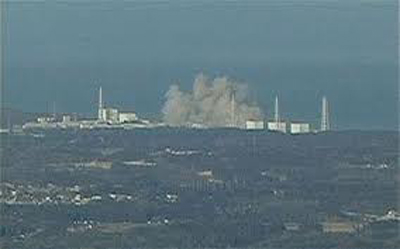
 TOKYO: Japan is set to launch a $13 billion bail-out of the owner of its stricken Fukushima nuclear power plant after the utility dropped resistance to a public fund injection, sources said on Thursday, as the country debates the future of nuclear power.
The injection of 1 trillion yen ($12.8 billion) in public funds into Tokyo Electric Power Co would effectively nationalise the firm, supplier of power to almost 45 million people, in one of the world's biggest bailouts outside the banking sector.
Tepco's Fukushima plant was wrecked by a quake and tsunami last March, sparking the world's worst nuclear crisis in 25 years and swamping the firm with future cleanup, decommissioning and compensation costs estimated at $100 billion or more. But it had been resisting a bail-out, fearing a loss of management control.
It is now resigned to the state rescue, but sources familiar with the matter said it was still dragging its feet over the form of bail-out, with the government proposing that the state-backed Nuclear Damage Liability Facilitation Fund take a two-thirds share, which would let Tokyo make the key decisions.
"If the government has a two-thirds stake, they have a right to control management, so naturally, Tepco doesn't like that," said one source familiar with the matter.
Tepco's plight is emblematic of problems facing Japan's entire nuclear power industry, once touted as safe, clean and cheap. Fifty of the nation's 54 reactors have been idled since the disaster and all may be off-line by spring for safety checks, despite government efforts to regain public trust in an industry that had provided a third of Japan's power.
The government has abandoned a plan to boost nuclear power to more than half of electricity supply by 2030, but has signalled atomic energy could play a role for decades to come.
Prime Minister Yoshihiko Noda aims to come up with a new plan for Japan's mid-to-long-term energy mix by summer, but must first persuade a wary public to allow off-line reactors to resume operations not an easy task.






















Comments
Comments are closed for this article.