

Brazil central bank slashes 2018 GDP forecast after truckers' strike

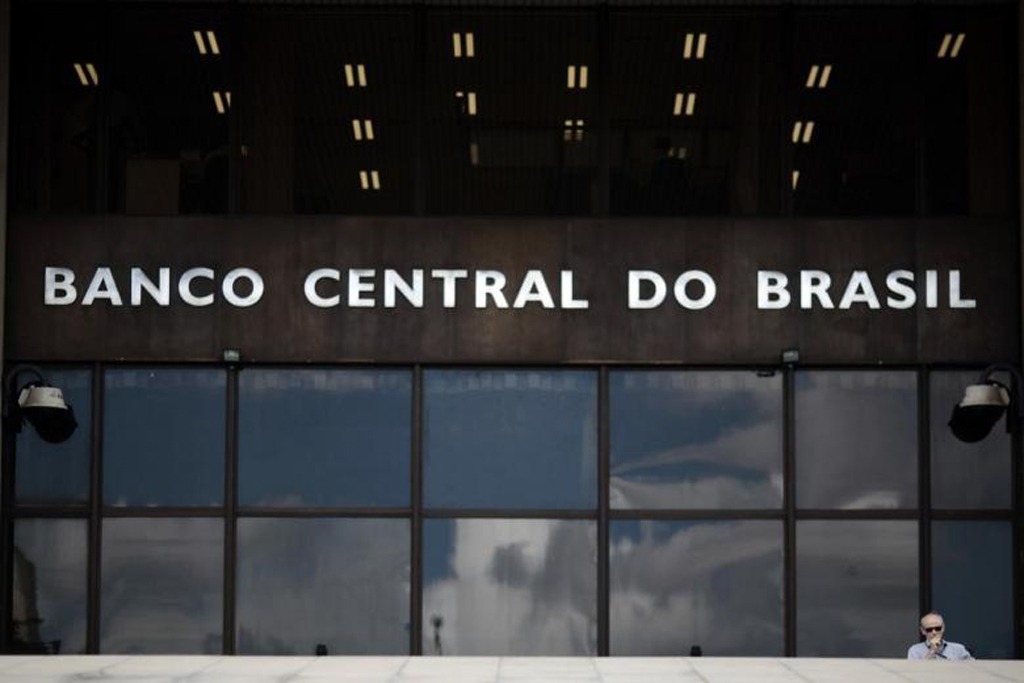
BRASILIA/SAO PAULO: Brazil's central bank on Thursday slashed its forecast for 2018 gross domestic product growth in the wake of a nationwide truckers' strike that paralyzed key sectors of Latin America's largest economy.
The bank now sees GDP growth of 1.6 percent this year, according to its quarterly inflation report, compared to 2.6 percent previously.
"The revision is associated to the easing of activity at the start of the year, the weakness in confidence indicators for firms and consumers, and the prospect of direct and indirect impacts of the paralyzation of the cargo transportation sector at the end of May," the report said.
The change highlights the deep impact of the protests, which extended through the final weeks of May, blocked major highways and triggered product shortages across the board.
The bank acknowledged it will be unable to clearly estimate how big a hit the economy took until economic indicators covering May and the following months are published. But higher-frequency data suggest an "expressive" impact over output and retail, the report said.
The remarks echo the bank's assessment in its last policy meeting, when it left benchmark interest rates unchanged at an all-time low. According to the minutes of that meeting last week, the strike contributed to driving up uncertainty, leading policymakers to refrain from signaling future rate moves.
Several private-sector economists cut GDP estimates and raised inflation forecasts after the protests. According to the central bank report, inflation is likely to accelerate in June but then ease off in coming months as a slower-than-expected economic recovery keeps a lid on price hikes.
The bank forecast inflation of 4.2 percent in 2018 and 3.7 percent in 2019, unchanged from its previous estimates.
Public support for the protests, which led the government to introduce costly diesel subsidies even as it struggles to curb a growing budget deficit, has fueled concern among investors over the outcome of this year's presidential elections.
That magnified an emerging-market selloff and drove the Brazilian real to a two-year low, bumping up import prices.
















Comments
Comments are closed for this article.