

Extremely rare two-headed deer found in forest


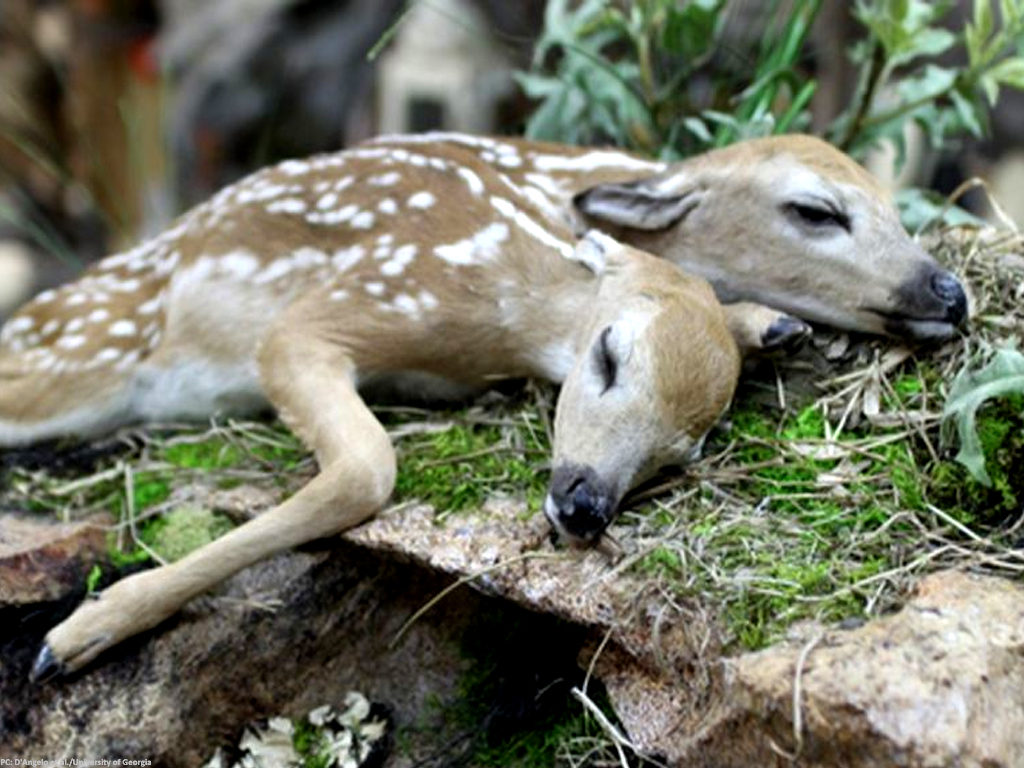
A unique kind of a deer fawn with two-heads has been discovered in a forest in Minnesota.
A rare deceased two-headed female deer fawn was discovered in a forest and is being regarded as very uncommon. Co-author Gino D’Angelo expressed how amazing and ‘extremely rare’ the deer was.
“We can’t even estimate the rarity of this. Of the tens of millions of fawns born annually in the US, there are probably abnormalities happening in the wild we don’t even know about,” he said.
As per Science Alert, the two-headed fawns turned out to be conjoined twins, which are first of their kind to have been brought to term and birthed. In all the cases of conjoined deer reported till now, none of them ever made it to full pregnancy. Though these fawns were birthed, they were stillborn.
Scientists discover a two-headed porpoise
“It’s never been described before. There are a few reported cases of two-headed ungulate fetuses, but nothing delivered to term. So, the uniqueness made it special,” said co-author Lou Cornicelli, according to Fox News.
An analysis showed that the fawns had one body, but the spine diverged at the thorax into two, resulting in two separate necks and separate heads. They had two separate gastrointestinal tracts, two hearts and extra spleens. However, they shared one malformed liver and a pair of lungs that never breathed outside air, which verified that the fawns were stillborn. D’Angelo said that as per their anatomy, the deer would have never made it, anyway.
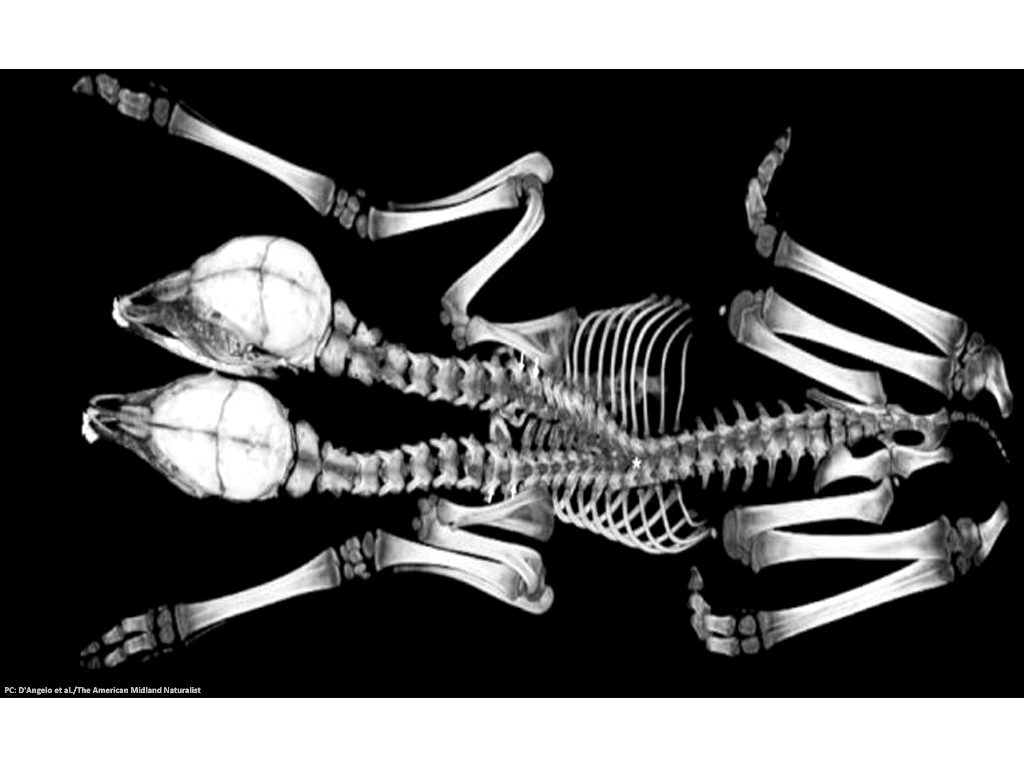
“Their anatomy indicates the fawns would never have been viable. Yet, they were found groomed and in a natural position, suggesting that the doe tried to care for them after delivery. The maternal instinct is very strong.”
The discovery was made back in May 2016 by a mushroom hunter, which was now published in the journal America Midland Naturalist where the rare deformity was explained.
Moreover, Daily Mail reported, Wild Images In Motion Taxidermy will put these fawns on display in stuffed form. The University of Minnesota Veterinary Anatomy Museum will have a skeletal display, as per the researchers.
“We all thought it was pretty neat and were glad to be able to show it to the public. The taxidermists, Robert Utne and Jessica Brooks, did a great job with the mount and treated it very respectfully,” said Cornicelli.



















Comments
Comments are closed for this article.