

First British Prime Minister visit to Moscow since former spy's death
David Cameron will on Sunday make the first visit to Russia by a British prime minister since relations were severely strained by the assassination of former KGB agent Alexander Litvinenko in 2006. The agonising death of Litvinenko - a critic of then Russian president Vladimir Putin - from radiation poisoning in London will hang heavy over the two-day trip to Moscow.
Russia has refused Britain's request for the extradition of the chief suspect in the case, Andrei Lugovoi, who is accused of lacing the former agent's tea with polonium. Lugovoi, who has since been elected to Russia's parliament, denies any involvement in the death.
The closure of the British Council's offices in Russia in 2006 also caused tensions, while oil giant BP was first passed over for an Arctic exploration deal with Rosneft and then had its Moscow offices raided last month. British officials admit they are not expecting a huge improvement in relations as a result of the trip. They insist it is more about opening up effective channels of communication with the Kremlin.
In the first prime ministerial visit since Tony Blair went to Russia five years ago, Cameron will hold talks with President Dmitry Medvedev and is also expected to meet with Prime Minister Putin. If the meeting takes place, it will be the first high-level contact between Putin and any British minister or diplomat since 2007, British officials revealed.
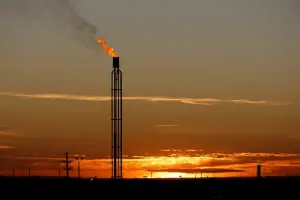
The four-year gap in communications with the man many commentators expect to attempt to regain the presidency next year underlines the strains created by the death of Litvinenko. But Russia is a fast-growing economy, the world's 11th largest, and it needs access to the sort of technology and know-how that British companies can provide to help extract its huge reserves of oil and gas.
Cameron will be accompanied by a heavyweight delegation of business leaders including manufacturing and pharmaceutical companies and major players from the oil sector, including BP chief executive Bob Dudley. The BP deal with Rosneft was initially hailed as a landmark that would see the firms create a joint venture for Arctic exploration and take a cross-holding.
But it collapsed after BP's partners in another Russian deal - a group of oligarchs - filed a complaint that the Rosneft deal infringed their own shareholder pact with the British firm. Dmitry Trenin, director of Carnegie Moscow Centre research organisation, said Cameron's visit was symbolically important.















Comments
Comments are closed for this article.