

UNHCR is working for provision of home facility to more than 45,000 vulnerable families affected by the devastating floods in the country. The UN agency has nearly completed construction on around 30,000 transitional shelters for families who plan to repair or rebuild their homes. Permanent shelters are being built to house some of the most vulnerable flood victims, those unable to restart their lives on their own.
50 families belonging to Pakistan's minority Hindu community is expected to move into their one-room shelters in the coming weeks. The village of Kot Sabzal in Punjab province submerged by more than a metre of water in last year's floods and while there were no fatalities, families lost everything they owned.
Today they live in makeshift shelters adjacent to their new brick and mortar homes. The men carry out the construction using materials supplied by UNHCR. While eager to move into their first homes not made of mud, they remain concerned for the future. "Earlier every member of the community, men and women alike, were working in the fields but now most of us are jobless and living hand to mouth," said 30-year-old Tjirat Jeen.
The residents of the Azakhel refugee village in western Pakistan's Khyber Pakhtunkhwa province are less certain about when they will be able to return home. Azakhel, settled 30 years ago by Afghans fleeing war, was home to 23,000 refugees at the time of the floods. The refugees lost their homes, livelihoods and businesses in the disaster. Since then they have been living with relatives, in rented accommodation or in makeshift shelters.
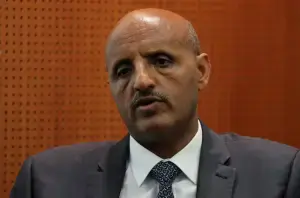
Provincial authorities have said the refugees should relocate to another settlement. "That so many people have restarted their lives after such a destructive natural disaster is a testament to the strength and resilience of the people of Pakistan," said Mengesha Kebede, UNHCR representative in Pakistan. "As our assistance to flood victims continues, we believe a decision to allow these refugee families to return to Azakhel would enable another community to rebuild." On the other hand, in western Pakistan, in the picturesque Swat Valley, a small UNHCR-financed hydroelectric station is providing power to 200 families living in remote villages. The elevation of the hilltop homes meant the communities were spared major flood damage. But overflowing rivers and streams ripped out power pylons, leaving the settlements, many of which can only be reached by foot, without power.
Abdul Majeed's house in the village of Gishar has sweepings views of the valley and the terraced farmers' fields carved into the hills. His family and those in neighbouring villages spent months without power after the floods and were relieved and surprised when it was finally restored. "Usually relief projects only help those villages by the roadside, most don't reach remote areas like ours," he said. "We are grateful not to have been forgotten."
Across Pakistan, all but five camps for the flood-displaced have closed. All are located in Jaffarabad in Balochistan province. Several thousand people remain in makeshift settlements, mainly in Sindh and Punjab provinces. The residents of these settlements say they have not returned home due to the cost of rebuilding, outstanding loans or property disputes.
Last year's devastating floods, which hit different parts of the county in July, displaced more than four million people and destroyed an estimated 1.7 million homes. UNHCR was the first asked to assist in providing aid to flood victims by the provincial government in Balochistan, but the agency's emergency operations rapidly expanded to three other affected provinces. It eventually provided humanitarian assistance to some two million-flood victims, including tens of thousands of Afghan refugees.






















Comments
Comments are closed for this article.