

Gasoline and food prices hoisted US inflation to a 2-1/2 year high in April, but there was little sign of a broader pick-up in consumer prices that would trouble the Federal Reserve. The pace of food and fuel price rises slowed considerably from March, suggesting inflation pressures may be peaking.
-- Consumer prices rise on gasoline and food
-- Year-on-year gain biggest since October 2008
-- Core CPI up just 0.2pc, real earnings fall 0.3pc
That, along with a strengthening labour market, lifted the spirits of consumers who have been battered by rising prices and sluggish wage growth. The Consumer Price Index increased 0.4 percent in April from March, the Labour Department said on Friday. The rise, which was in line with economists' expectations, took the year-on-year inflation reading to 3.2 percent, the highest since October 2008. Stripping out volatile food and energy costs, core CPI rose a mild 0.2 percent from March. The 12-month increase at 1.3 percent was at its highest level since February 2010. The Fed, however, would like to see that closer to 2 percent over time.
"The report raises no red flags for the Fed of an unruly inflationary dynamic taking hold," said Julia Coronado, North America chief economist at BNP Paribas in New York. "Surging headline inflation has taken some steam out of economic momentum of late which would leave the Fed more inclined to be cautious in removing accommodation."
Year-on-year core CPI has risen 0.7 percentage points from a record low of 0.6 percent in October, an increase Fed officials will keep an eye on as they decide when to tighten monetary policy. Separately, the Thomson Reuters/University of Michigan's index of consumer sentiment rose to 72.4 from 69.8 in April. The surveys also showed consumers were less worried about inflation over the next year.
The stiff rise in food and energy costs in recent months has squeezed consumers, who are seeing only tepid wage gains. Average hourly earnings, when adjusted for inflation, fell 0.3 percent in April - declining for a third straight month. In the 12 months to April, they dropped 1.2 percent. The sentiment survey showed a quarter of respondents reported declining incomes, and almost a third said rising prices had lowered their living standards.
Core CPI was boosted by rising costs for housing and cars and trucks. Prices for new vehicles rose 0.7 percent last month, reflecting supply disruptions after Japan's devastating earthquake and tsunami in March. US Treasury debt prices rose on the inflation report, while stocks were trading lower. Strong growth data in Germany and France boosted the euro against the dollar.
The US central bank has pumped massive amounts of money into the economy, in part to prevent a damaging downward spiral in prices. Its focus is now shifting to how best to eventually withdraw some of the monetary stimulus. With commodity prices dropping sharply in recent days, economists said headline inflation was close to peaking, which would lessen the risk of broader price pressures building.
"Given what has gone on with commodity prices lately it's likely to represent a peaking in near-term inflation pressures. You are going to see a rollover in the coming months," said Brian Levitt, an economist at OppenheimerFunds in New York. "Inflation pressures as a whole throughout the economy remain modest."
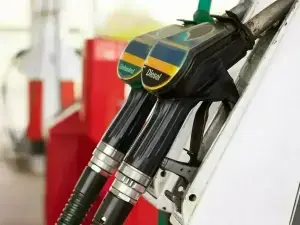
Gasoline prices accounted for almost half of the rise in overall consumer inflation last month, advancing 3.3 percent. The pace of increase, however, slowed from March's 5.6 percent rise and further declines are likely. US gasoline futures posted their sharpest daily drop since September 2008 on Wednesday. They were trading flat on Friday.




















Comments
Comments are closed for this article.