


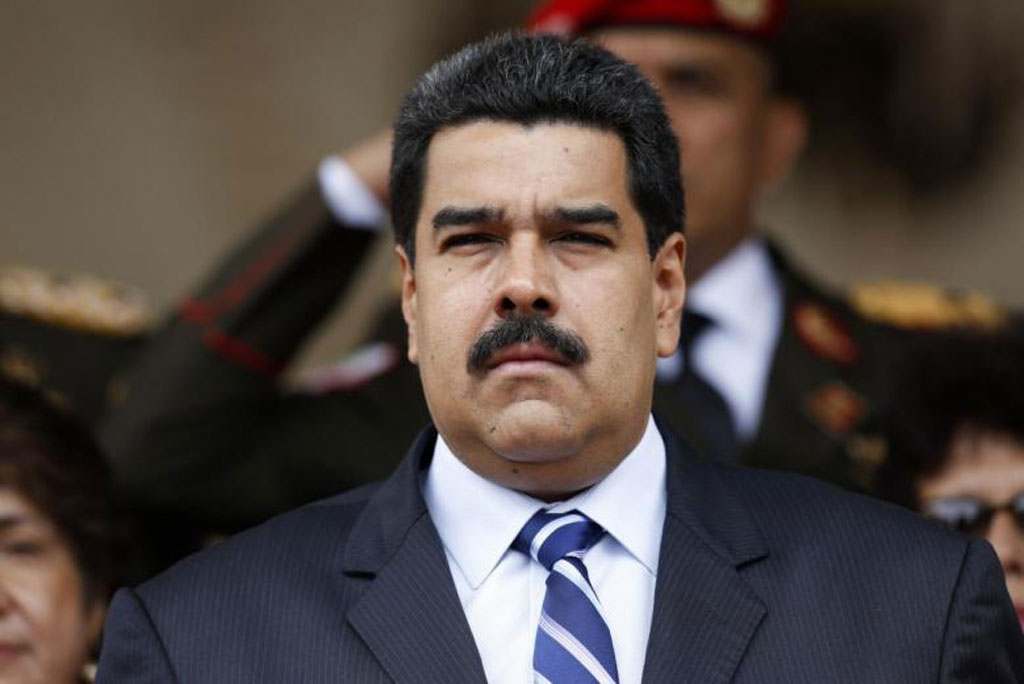
 NEW YORK: Venezuela's economy is a wreck, but the Bolivarian revolution's inept leader, President Nicolas Maduro, has probably done just enough to avoid being forced from office in 2017, unless by Chavista colleagues.
A bond swap and army-led food distribution helped. But his gutting of institutions risks violence that may yet be his undoing.
The International Monetary Fund reckons the Andean nation's output shrank 8 percent in 2016 and inflation was almost 500 percent.
Toward the end of the year the bolivar weakened some 60 percent to more than 4,000 to the dollar on the black market.
The government maintains a fixed rate of 10 to the dollar mainly for imports of food and medicine, a wildly unrealistic level that stymies essential imports and fosters corruption. The poor suffer most from such mismanagement.
Hit by lower oil prices in recent years, Venezuela has been teetering on the edge of default.
A bond swap in October involving debt of state oil company PDVSA helped Maduro in the short term by lowering payments in 2017 and 2018 while raising them down the road. Reserves have dropped to around $11 billion, barely enough to cover $9 billion of debt payments due in 2017.
The Organization of the Petroleum Exporting Countries' November deal to cut production, aimed at forcing crude prices higher, could hardly have come at a better time for the government.
Oil exports are its lifeline. Maduro, a former bus driver and union leader, has co-opted the army, putting Defense Minister Vladimir Padrino in charge of CLAP, a program distributing food and basic goods to the poor that critics say rewards loyalty to the government.
Opposition and rights groups say more than 100 people are in prison for political reasons, 10 times as many as when the revolution's founder, Hugo Chavez, died in 2013.
Authorities halted a recall referendum drive against Maduro, citing alleged fraud.
With the Vatican trying to mediate between government and opposition, Maduro is on a tightrope. His gutting of institutions such as courts, electoral bodies and the legislature increases the risk of street violence.
Some elements of the military and his fellow Chavistas might prefer to sacrifice Maduro and negotiate a transition to a more conciliatory government if bloodshed gets out of hand.
Yet barring sustained protests or a new oil-price collapse, it looks like Maduro will make it, just, to 2018.
















Comments
Comments are closed for this article.