

Armenian budget sees higher growth in 2017, helped by exports to Russia

 YEREVAN: Armenia's economy will grow by 3.2 percent next year, up from an estimated 2.2 percent in 2016, according to a budget plan approved by parliament on Thursday, helped by lower borrowing costs and increased exports to Russia.
The South Caucasus nation depends heavily on aid and investment from Russia, its Soviet-era overlord, whose own economic downturn has hit Armenian exports and remittances from Armenians working there in the past two years.
The central bank also expects an acceleration in growth next year, partly because it is considering further monetary policy easing in the fourth quarter of 2016.
Finance Minister Vardan Aramyan told parliament his priorities in 2017 would be safeguarding macroeconomic stability and stimulating growth, adding he expected industrial sector expansion of 5.5 percent and services growth of 2.8 percent.
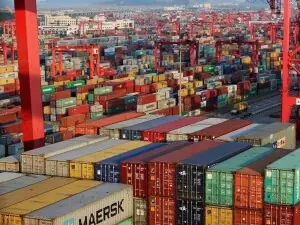
Government officials and the International Monetary Fund said Armenia had benefited from a stronger than expected recovery in its exports to Russia this year, although they said domestic growth remained weak.
Russia is the largest trading partner and investor for Armenia, a South Caucasus country nestled between Iran, Georgia and regional rival Azerbaijan.
Armenia's 2017 budget sees revenues at 1.210 trillion drams ($2.5 billion), about 27 billion drams more than expected this year, and spending at 1.360 trillion drams, about 13 billion drams down from the level expected in 2016.
The budget deficit is expected to fall to 2.7 percent of national output in 2017 from 5.9 percent seen for this year.
The 2017 budget also projects annual inflation in a range of 2.5-5.5 percent, the same as this year's target.
The International Monetary Fund has just completed its fourth review of Armenia's performance under a three-year lending programme worth $112 million and is expected to release a next tranche of $21.24 million.
"Programme performance has been broadly satisfactory despite continued adverse external developments that have contributed to subdued domestic demand, weak revenues and deflationary conditions," David Lipton, the IMF's first deputy managing director, said in a statement late on Wednesday.


















Comments
Comments are closed for this article.