


 BUDAPEST: Central European currencies mostly firmed on Thursday as equities tracked a rebound in stock markets in the developed world ahead of a G20 meeting in Shanghai.
Investors bought back the zloty against the Hungarian forint, after selling the Polish currency in recent months.
A Hungarian central bank official on Wednesday did not rule out the idea of resuming interest rate cuts in addition to using unconventional monetary easing tools.
The comments sent the forint sliding, and it extended its loss on Thursday, easing 0.1 percent against the euro to 310.80 by 1435 GMT.
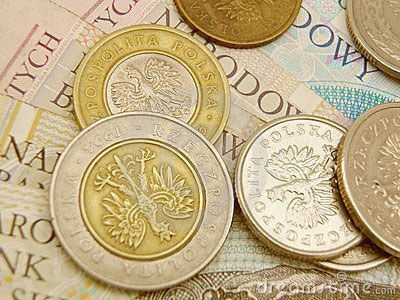
The zloty, meanwhile, hit a six-week high versus the euro, firming half a percent to 4.353.
It was also at a six-week high against the forint, bid at 71.36.
"The zloty is again regarded as safer now than the forint," one Budapest-based dealer said, citing a Deutsche Bank note, adding that the volume in forint-zloty trade had picked up in recent days.
Western European stocks did not follow the slump in Shanghai shares, and Central European equities joined them on the rise.
Magyar Telekom shares jumped 4.4 percent after the Deutsche Telekom unit reported higher-than-expected fourth-quarter net profit, helping Budapest's main stock index rise by 1.9 percent.
Prague's main index gained 1.2 percent, helped by a 1.9 percent rise of Austrian-based banking group Erste's stocks .
Government bonds eased even though market participants saw limited room for movements before the European Central Bank's March 10 meeting, where it may ease policy further, providing support for high-yielding Central European assets.
Romanian bond yields led the rise, with the curve flattening to leave longer-maturity yields rising less than shorter yields. Ten-year bonds bid at a yield of 3.43 percent, up 6 basis points.
The Romanian finance ministry said that it planned to reopen a euro-denominated domestic debt issue in March.
The rise in leu-denominated yields started on Wednesday after Romanian central bank Governor Mugur Isarescu told Reuters that monetary tightening could come earlier than expected, although he said "we do not want to boost the leu currency through our measures".
The leu, however, firmed a third of a percent to 4.467 against the euro.
The dinar firmed 0.2 percent to 123.45 against the euro, rebounding from Tuesday's 13-month lows of 123.61.
The Serbian central bank has been intervening to prevent further dinar falls. So far this year it has sold a total of 350 million euros, and purchased 10 million euros to stabilise the dinar which it keeps in a managed float.
Early this month, it became the first central bank in the region to cut interest rates since the Federal Reserve raised rates in December.




















Comments
Comments are closed for this article.