


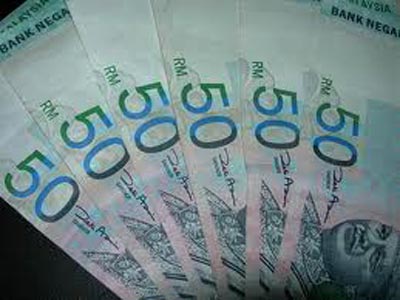
 SEOUL: Emerging Asian currencies slid in 2014, led by the Malaysian ringgit, and are expected to remain under pressure next year on expectations the US Federal Reserve will hike interest rates and China's economy will remain sluggish.
US dollar strength was a key factor in emerging currency weakness, but other global and regional trends also added to the downward pressure.
The ringgit was the worst performer in the region for the year, shedding 6.3 percent against the dollar, according to Thomson Reuters data.
As Malaysia is a net oil exporter, plunging crude prices raised concerns that they will hurt the country's current account and widen its fiscal deficit.
Northeast Asian currencies - the South Korean won and the Taiwan dollar - also fell on worries that a sliding yen may hurt export competitiveness.
The Taiwan dollar depreciated 5.6 percent this year, its biggest annual loss since 2001. The won lost nearly 4 percent, its largest annual slide since the 2008 global financial crisis.
The Singapore dollar has slid 4.4 percent this year on slowing economic growth.
China's yuan lost 2.4 percent, its first big annual depreciation since its landmark revaluation in 2005, due to the slowdown hitting the world's second-largest economy.
The Indian rupee and the Indonesian rupiah , the worst performing emerging Asian currencies in 2013, both eased around 2 percent this year. Those losses were relatively smaller than others on hopes of economic reforms by their new governments.
Thailand's baht was the best performing Asian unit of 2014, with only a fractional change, as foreign capital returned to the country after the army seized power in May to end months of political turmoil.

























Comments
Comments are closed for this article.