


 SINGAPORE: Emerging Asian currencies put in a mixed performance against the dollar on Wednesday as sentiment remained cautious in the wake of sliding oil prices and financial market turmoil in Russia.
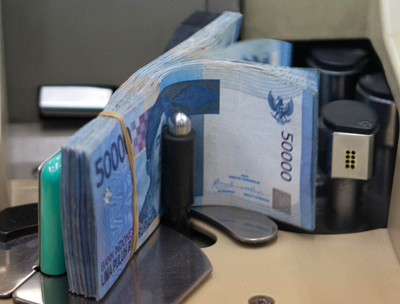
Worsening global risk sentiment has weighed on emerging Asian currencies this week, with Indonesia's rupiah sliding to a 16-year low of 12,930 versus the dollar on Tuesday and India's rupee hitting a new 13-month low on Wednesday.
"I think it's just a calm before the storm," said Andy Ji, Asian currency strategist for Commonwealth Bank of Australia in Singapore, adding that risk aversion was helping to support the dollar versus emerging market currencies in general.
The rupiah had seen its drop accelerate since late last week, with analysts citing outflows from Indonesian bonds and equities.
The currency held steady on Wednesday as investors awaited comments from Indonesia's central bank, a day after the rupiah's drop to its lowest level since August 1998.
The South Korean won fell, reversing the modest gains seen earlier, as the dollar rebounded off lows against the yen.
In a volatile day, the won ended lower, with some market players suspecting the financial authorities had undertaken smoothing operations to check the won's strength against the yen.
The Thai baht inched higher, showing limited reaction after the Bank of Thailand kept interest rates unchanged at 2.0 percent as expected.
Investors were looking to the US Federal Reserve's forthcoming policy statement for near-term direction.
The Fed concludes its final policy review of 2014 later on Wednesday and is expected to drop particular words stating its intent to keep rates near zero as a prelude to raising interest rates next year.

























Comments
Comments are closed for this article.