


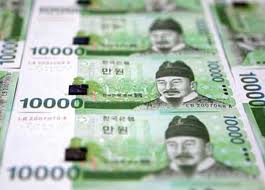
 SINGAPORE: The South Korean won hit a near six-year high on Wednesday, leading gains among emerging Asian currencies, as US Treasury yields fell ahead of Fed Chair Janet Yellen's congressional hearings this week.
The baht edged up after a Thai court found Prime Minister Yingluck Shinawatra guilty of violating the constitution and said she had to step down, although ministers not implicated in the case can remain in office.
The ruling is bound to anger her supporters, but the survival of her government could take the sting out of protests they had planned for the weekend and may make confrontation with opposing groups less likely.
After the decision, Bangkok shares pared much of their earlier losses.
Despite sustained political unrest in the country, foreign investors have been bringing money into the country's stocks. They bought a combined net $932 million worth of stocks in March and April, according to Thomson Reuters data.
Still, investors stayed cautious about Thai financial markets as there is no sign of political stabilisation.
Wednesday's court ruling "is negative to Thai assets in the short term since we will likely get protests from the pro-government supporters, and anti-government members may also be unhappy since many Puea Thai ministers are still in office," said Sean Yokota, head of Asia strategy at Scandinavian bank SEB in Singapore, referring to Yingluck's party.
"The uncertainty in how the protesters will react will make investors hedge Thai assets short term to assess the situation."
The baht's rebound came as most emerging Asian currencies gained.
The US dollar stayed around its lowest since October against a basket of six major currencies, as Yellen is widely expected to maintain a dovish stance at congressional hearings in Washington on Wednesday and Thursday.
The won outperformed as offshore funds and domestic exporters bought it, and there were catch-up plays after holidays in South Korea on Monday and Tuesday.
Some traders suspected the foreign exchange authorities of intervening to stem further appreciation in the second-best performing emerging Asian currency this year, after the Indonesian rupiah.
Many traders, however, downplayed intervention in Seoul, saying official dollar bids - if any - were not strong.
Malaysia's ringgit advanced on offshore funds' demand in non-deliverable forward (NDF) markets and a wider-than-expected trade surplus in March.
The Philippine peso and the Taiwan dollar gained on capital inflows.


























Comments
Comments are closed for this article.