

China says manufacturing slows in May

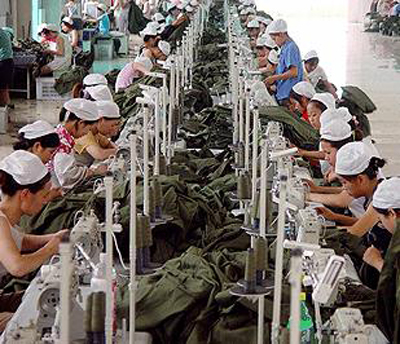 BEIJING: China's manufacturing sector expanded at the slowest pace in 10 months in May, independent data showed Wednesday, as Beijing seeks to rein in the world's second-largest economy and tame inflation.
The HSBC China Manufacturing PMI, or purchasing managers index, fell to 51.6 in May from 51.8 in April as raw material prices eased -- evidence that government tightening moves are bearing fruit, the British banking giant said.
The final reading was higher than preliminary data released by HSBC last month which suggested the PMI had slipped to 51.1 in May. That data triggered falls on the Shanghai and Hong Kong bourses amid fears of an economic slowdown.
A reading above 50 indicates the sector is expanding while a reading below 50 indicates contraction.
Official data released by the China Federation of Logistics and Purchasing on Wednesday showed PMI fell to a nine-month low of 52.0 in May from 52.9 in April.
Investors reacted negatively to the twin surveys, with the Shanghai Composite Index falling 0.37 percent to 2,733.26 in late morning trade.
Although the figures suggest production is still growing, they follow a number of measures by Beijing aimed at cooling the red-hot economy and containing soaring consumer prices, including several interest rate hikes.
HSBC chief China economist Qu Hongbin played down concerns about a potential hard landing for the Asian powerhouse due to persistent government efforts to stem a flood of credit into the economy.
"This is still just a moderation rather than a meltdown in growth so there is no need to worry about over-tightening," said Qu.
"Beijing is likely to keep tightening mainly through reserve ratio and rate hikes in the coming months."
CFLP analyst Zhang Liqun said the data showed "the momentum of economic growth was steadily declining" and could lead to "increased activity to cut inventory".
The CFLP input price index, which measures the cost of raw materials and is an indicator of inflationary pressures, fell 5.9 percentage points in May from April which could "change inflation expectations", said Zhang.
China's consumer price index, which is a key gauge of inflation, rose 5.3 percent on year in April -- a slight easing from a 32-month high of 5.4 percent in March but well above Beijing's four percent target for 2011.
The government, ever wary of surging inflation's potential to trigger social unrest, has taken a series of measures to rein in soaring prices, including raising interest rates four times since October.
The central bank has also increased the reserve requirement ratio numerous times, which effectively limits the amount of money banks can loan out.
Copyright AFP (Agence France-Presse), 2011























Comments
Comments are closed for this article.