


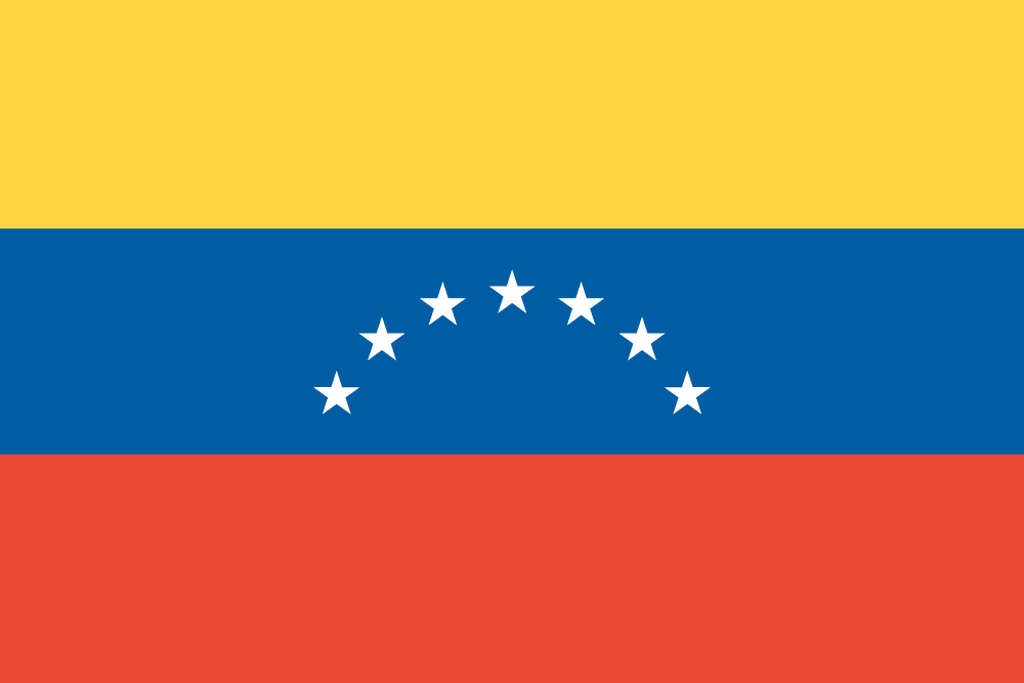
 CARACAS: Venezuela's electoral council has set April 22 as the date for a controversial presidential election, which the opposition accuses President Nicolas Maduro of using to engineer a second term for himself.
The head of the National Electoral Council, Tibisay Lucena, made the announcement Wednesday after talks broke down between the government and opposition on setting a date for the polls.
With the opposition coalition barred from fielding a candidate and several top Maduro critics banned, the deeply unpopular leftist president's opponents accuse him of rigging the snap vote before it is even held.
Venezuela was not due to hold a presidential election until December.
But the Constituent Assembly -- an all-powerful legislature stacked with Maduro loyalists -- announced last month the date would be brought forward.
It comes at a time when the opposition is reeling from Maduro's attacks and its own internal divisions.
Its umbrella coalition, the Democratic Unity Roundtable (MUD), tried to negotiate a later date in talks with government officials in the Dominican Republic.
But the dialogue broke down Wednesday, with Maduro refusing to budge from a draft deal on early elections that the opposition called unacceptable.
"We implore the government not to commit the absurd mistake of calling elections unilaterally," tweeted opposition delegate Julio Borges.
The Supreme Court, which critics say systematically bows to Maduro, has barred the MUD from fielding a candidate under its banner, and blocked several prominent opposition figures from participating.
The election will be held against a backdrop of economic and political crisis.
The campaign will be held from April 2 to April 19, though the government has been holding rallies since the Constituent Assembly announced the elections would be moved up.
The South American country, impoverished despite being a major oil producer, is suffering food and medicine shortages brought on by a recent period of low oil prices, declining production, and economic mismanagement.
It is in the grips of hyperinflation, teetering on the brink of outright default, and increasingly isolated internationally.
- More US sanctions coming? -
The United States and European Union have imposed sanctions on Maduro and his officials, with Washington calling him a "dictator."
Maduro and his government defend themselves by saying the economic crisis is the work of enemy nations -- invariably the United States, sometimes Colombia -- plotting with right-wing businessmen seeking to overthrow him.
On Sunday, the United States said it had not ruled out sanctions on Venezuelan oil as it turns the screw on Maduro, but is wary of hurting the country's people.
At a joint news conference, US Secretary of State Rex Tillerson -- a former chief of oil giant ExxonMobil -- confirmed the ultimate option of sanctioning Venezuela's key oil sector is under consideration, but that Washington shares its allies' concerns.
The US, Canada and the European Union have imposed economic sanctions targeting Maduro loyalists seen as profiteers or human rights abusers.
On Wednesday Tillerson visited the Caribbean to discuss the aftermath of such a potential move.
Many of the island nations in the region depend to some degree on cheap oil imports from Venezuela, a fact Caracas has used as a diplomatic bargaining chip.
Tillerson stopped in Jamaica on his way home from South America for talks with senior officials there, including Prime Minister Andrew Holness, on how to manage any crisis.



















Comments
Comments are closed for this article.