

Standard Chartered is boosting its iron ore derivatives trading volumes as it tries to increase its stake in a market that is attracting growing interest from industrial and financial players. Starting from next year, the bank may also get involved in the physical side of the iron ore business through financing, said its global head of metals trading, Jeremy East.
Trading of iron ore swaps started in 2008 but began to gain more traction in 2010, when miners dumped a decades-old annual price benchmark system and moved to pricing in the shorter term. Since then, various banks have made their debut in this sector, attracted by large physical trading volumes, a growing financial market and increased interest from their clients.
Standard Chartered started trading iron ore swaps in 2010. "We started off slowly. Liquidity in the market was pretty low, however, in the last six months we have seen a significant increase in our volumes," East said. "The ticket size has increased dramatically and that has attracted more clients to the market." Iron ore swaps allow producers, consumers and financial market participants to hedge or bet on prices in the future.
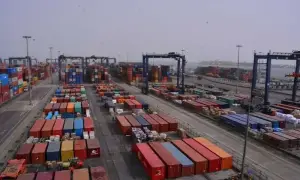
As iron ore prices became shorter and more volatile, industry players such as miners and steel end-users have started to use this hedging instrument to control their price risk. Steel end-users such as carmakers have said that derivatives offer them a way to fix and therefore control their costs for longer periods of time. The volume of iron ore swaps cleared reached a record annualised level of almost 50 million tonnes last month, and although it is still small compared with a physical market of about 1 billion tonnes a year of sea-borne material, it is growing very quickly.















Comments
Comments are closed for this article.