


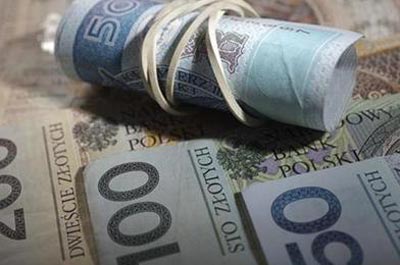
 BUDAPEST: The zloty sustained its rebound against the euro on Wednesday before manufacturing figures which may reduce pressure on the Polish central bank to cut rates further.
The currency of Central Europe's biggest economy had gained 0.2 percent against the euro by 0916 GMT to 4.28.
Last week it plunged 2.5 percent after an annual fall in Polish retail sales in November fuelled expectations for further cuts in the central bank's record low 2 percent main rate in the fight against falling prices and economic slowdown.
The zloty has firmed this week as exporters bought at the weaker levels and after Finance Minister Mateusz Szczurek said overly rapid currency movements were unwelcome although a weakening to around 4.3 was good for the economy.
Raiffeisen Polbank analyst Tomasz Regulski said some are also betting that Poland's December Purchasing Manager Index, due on Friday, will exceed analysts' consensus forecast of 51.
"We still see some pressure on the rouble which may be negative for the zloty in the beginning of the year, but I think it will not be as significant as before," he said.
The dinar eased 0.3 percent to 121.03 against the euro, returning close to the levels before the Serbian central bank sold euros in the market on Tuesday.
The bank has sought to steady the dinar. Last week it intervened to buy euros when the dinar bounced after parliament adopted a keenly-awaited spending cut plan.
Hungary's forint was flat at 314.9 against the euro, despite some expectations the central bank would intervene to strengthen it and so reduce the year-end value of state debt which is partly in foreign currencies.
One Budapest-based trader said the forint's current levels may be already be firm enough to show a drop in the ratio of state debt to economic output from its end-2013 level.
"But the government will need more cash early this year and there will be significant debt expiries so I don't expect a big early-year rally in government bonds," the trader said. "If the central bank cuts rates, that could push yields somewhat lower."


























Comments
Comments are closed for this article.