


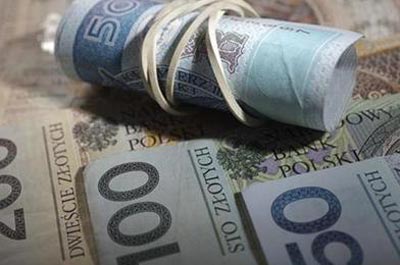
 WARSAW/PRAGUE: The Polish zloty fell to a 15-month low on Friday with rumblings in Russian financial markets and rising chances of more rate cuts weighing on central Europe's most liquid currency.
Currencies have come under pressure this week after a sharp slide in Russia's rouble raised spillover concerns in the EU's emerging east. Stock markets also hit multi-month lows.
While the region got some relief on Thursday from some rouble stabilisation and the US Federal Reserve signalling it would take a patient approach toward raising rates, the zloty fell more on Friday.
"London banks are selling zloty despite the fact that the rouble has started to stabilize," a Warsaw-based dealer said. "Sentiment over (emerging markets) is grim. Additionally, the zloty broke crucial support levels at 4.26 versus the euro."
The zloty was down 0.7 percent at 4.28 to the euro at 1011 GMT. Hungary's forint followed, losing 0.3 percent to 314.75 per euro.
On the reverse side, Serbia's dinar gained more than 1 percent. A Belgrade-based banker who asked not to be named said borrowing by "one or two major state-run firms in local currency" combined with a decrease of the central bank's mandatory FX requirement in euros introduced this month had helped lift the currency.
Polish central bank minutes published on Thursday showed that at the November policy meeting governor Marek Belka and other rate setters supported cutting interest rates, by as much as 50 basis points, but were outvoted.
Poland has cut interest rates to new lows like other countries in the region to help the economy gain traction and some analysts pencil another cut next year if the economy loses steam and price growth remains negative.
However, more turmoil in Russia may discourage the region's central banks from cutting rates.
"If the Russian story calms down in the new year the idea of rate cuts could emerge again," a Budapest trader said, referring to Hungarian and Polish markets.
"With QE from the ECB, with inflation in negative territory, a rate cut could be justified if there is nothing against it from risk aversion side."
Stock markets saw less pressure, with Warsaw and Prague down up to 0.3 percent while Budapest was up 1 percent.
Shares in O2 Czech Republic added to losses after shareholders approved extending a loan of up to 24.8 billion crowns ($1.1 billion) to the majority owner PPF. The loan has caused investors to sell over worries about future dividend payments under PPF's new ownership.


























Comments
Comments are closed for this article.