


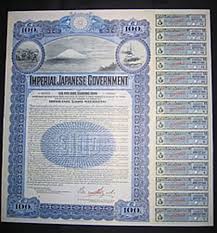
 TOKYO: Japan's government plans to issue 155.1 trillion yen in government bonds in the fiscal year that begins in April, the first planned year-on-year reduction in JGB issuance since 2008, according to officials with knowledge of the process.
At the same time, the goverment will increase issuance of inflation-linked bonds by 1 trillion yen to 1.6 trillion yen during the 2014-2015 fiscal year and could increase that amount further if demand emerges, the sources said.
Prime Minister Shinzo Abe's cabinet is set to meet this week to approve a budget plan for the coming fiscal year, a year after taking office with a pledge to revive Japan's economy.
As part of the budget process, the Ministry of Finance has been finalizing plans for the amount of bonds to be issued and the maturities at which the government will borrow, based in part on a projection of the market demand from large investors.
The plan calls for increasing issuance of 30-year JGBs, which have been popular with Japanese life insurers and other insitutional investors, and to curtail issuance for 2-year JGBs.
Specifically, the issuance of 30-year bonds will be increased by 1.2 trillion yen, while the 2-year issuance will be cut by 2.4 trillion yen, according to the sources who asked not to be named because the plan has not been announced.
The cornerstone of Abe's economic policy is a pledge by the Bank of Japan to get annual inflation up to 2 percent to put an end to a long deflationary slump and encourage new investment.
In a related move, Japan's Government Pension Investment Fund, the world's largest pension fund, plans to start buying inflation-linked government debt from April.
The $1.2 trillion pension fund plans to buy more than 400 billion yen worth of inflation-linked government bonds, people familiar with those plans have told Reuters.
The Minisry of Finance could opt to increase the issuance of inflation-linked bonds if demand rises from pension funds over the course of the fiscal year, the sources said.
As part of the financing plan, officials have also set the issuance calendar for the coming fiscal year.
JGBs from the 20-year to the 2-year maturity will be issued monthly.
For the 20-year, the monthly issuance amount will be 1.2 trillion yen.
For the 10-year maturity, the monthly amount will be 2.4 trillion yen. For the 5-year and 2-year bonds, the amount issued per month will be 2.7 trillion yen.
For 30-year JGBs, 700 billion yen will be issued each month for eight months of the year, while 600 billion yen in 30-year bonds will be offered per month for the remaining four months.























Comments
Comments are closed for this article.