


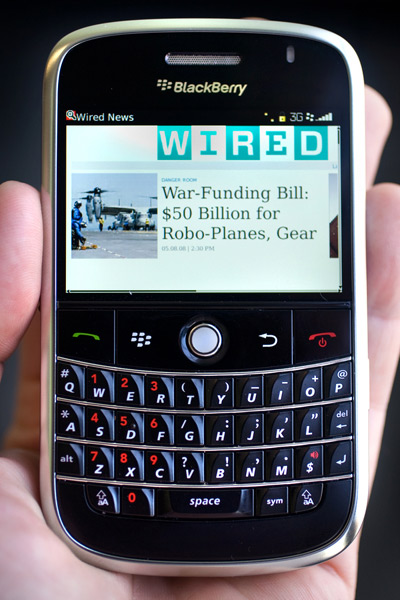
 NEW YORK: Research In Motion is starting to feel a serious squeeze. The BlackBerry maker is hemorrhaging market share and just warned product delays are hurting sales. The pressure is showing: its co-CEO recently stormed off a TV interview when asked about security issues. RIM needs to compose itself if a new tablet and operating system are to keep the firm relevant.
Cutting estimates just weeks after issuing them hardly inspires confidence. The company warned hold-ups bringing out new handsets scared off customers. Those still buying RIM devices in the United States and Latin America are choosing cheaper, lower-end ones. As a result, earnings per share will actually shrink slightly, despite the booming market for smartphones.
Research In Motion reckons it's a temporary hiccup. Phones introduced this summer, along with its answer to the iPad, mean earnings should rise 18 percent during the fiscal year ending February 2012. If so, the shares look incredibly cheap at 6.5 times this year's earnings -- including their nearly 14 percent tumble on Friday morning.
But the company's projections sound optimistic. Perhaps management is getting overly stressed and defensive -- co-CEO Michael Lazaridis certainly appeared that way in a recent BBC interview. He walked off when asked about foreign government demands to monitor BlackBerry phones.
It's hard to see why earnings won't suffer. Reviews of its recently launched tablet device have been mediocre. New phones, based on the latest version of its existing operating system, may be better than what it is currently offering. But these look more stopgap than slick rivals to an iPhone or Android-based handsets. After all, RIM plans to introduce a new operating system, called QNX, for its phones sometime in 2012.
If customers are waiting for the company's new handsets now, then it's worth questioning whether RIM could face the same problems again later this year. They may decide to just hold off altogether until the QNX-powered phones are available.
What's more, customers seem to be defecting, not waiting. BlackBerry's share of recent US smartphone sales shrank from 37 percent a year ago to 15 percent in the first quarter, according to Nielsen. And problems in Latin America may indicate its emerging market growth is being sapped by cheap handsets powered by Android.
RIM executives are promising lots of progress in the coming months. But it will take considerably more poise to stop the motion from going backward.
CONTEXT NEWS
-- Research In Motion warned that its earnings per share in the first quarter will be between $1.30 and $1.37 per share. The smartphone producer had previously estimated it would earn $1.47 to $1.55.
-- The Canadian company said the shortfall is due to lower shipments of its BlackBerry and a shift towards lower-priced devices because of delays in introducing new handsets.
-- According to a Nielsen survey in March, Android accounted for 50 percent of recent US smartphone sales, iPhone 25 percent and Research In Motion 15 percent.
-- A year ago, Android had 21 percent, iPhone 24 percent and BlackBerry 37 percent, according to Nielsen.























Comments
Comments are closed for this article.