

IMF warns US fiscal, trade policies create risks to global economy


WASHINGTON: President Donald Trump's aggressive trade policies, and expansive tax cut at a time when the US economy is growing, are creating risks that could damage the domestic and global economies, the International Monetary Fund warned Thursday.
The tax cuts will generate a near-term boost to growth but also "will elevate the risks to the US and global economy," and increase the size of those risks, the IMF said in its annual review of the US economy.
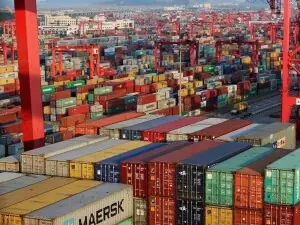
Meanwhile, the punitive import duties the US has imposed and threatened could harm the world economic recovery by "catalyzing a cycle of retaliatory responses" and interrupting global supply chains, the report said.
On the eve of an expected White House announcement of the list of perhaps $50 billion in Chinese goods that will be hit with 25 percent tariffs, IMF Managing Director Christine Lagarde said trade wars had no winners.
If there is tit-for-tat retaliation from US trading partners, which they have threatened, there will be "losers on both sides," Lagarde told reporters.
- 'Serious' economic impact -
And that outcome would have a "serious" economic impact on the US and global economies, she said, including by causing inflation to accelerate.
While the direct economic impact is hard to calculate since it will depend on the size and timing of the responses, trade conflict could undermine confidence and cause businesses to hold off on investments, of which there already were signs in Europe, she said.
"Unilateral trade actions can be disruptive and may even prove counterproductive," she said in her critique of the fund's largest shareholder.
And the administration's use of a rarely-applied national security justification for the tariffs -- on steel, aluminum, and potentially autos -- opened the door for other countries to follow suit and use that excuse to impose broad import restrictions that would "undermine the rules-based global trading system."
"We, therefore, encourage the US to work constructively with its trading partners to resolve trade and investment disagreements without resorting to the imposition of tariff and non-tariff barriers," Lagarde said.
The fund's economists indicated Trump's focus on reducing trade deficits with specific countries was misplaced. Instead, trading partners should work on "securing more ambitious bilateral and plurilateral agreements on trade and investment."
Still, Washington should not ignore the US workers harmed by globalization but "should focus on mitigating the downsides through training, temporary income support, and job search assistance."
Trump came to power in part on a wave of anger over immigration and international trade perceived as undermining workers' wages and American living standards.
- Inflation risk -
And while Trump has crowed repeatedly about the strong US economy and the beneficial impact of the massive income tax cuts passed in December, the reforms have a high budgetary cost and could fuel faster inflation, the IMF said.
That in turn would prompt the Federal Reserve to raise interest rates more aggressively, setting off a chain of spillover effects on the global economy, and financial markets, especially emerging markets, the IMF cautioned.
Lagarde also noted that the recent US economic stimulus could increase US imports, which, along with a strengthening US dollar, would in fact worsen the trade and current account deficits.
The IMF projects the Fed's preferred inflation measure will increase 2.8 percent this year and 2.4 percent next year, with growth of 2.9 percent and 2.7 percent, slowing to 1.9 percent in 2020.
Those forecasts are higher than the Fed's for growth and inflation but lower than the Treasury Department's, which said US policies, "including the productivity-boosting mix of tax reform and regulatory relief, will result in more sustainable economic growth."
The IMF praised some aspects of the US tax reform, which addressed what it said were long-overdue simplifications and reductions in the corporate rate.
However, contrary to White House assertions, some features favor the wealthy, "counter to the authorities' objectives of increasing equity."
The fund said "it would be preferable to recalibrate the rate structure in order to concentrate tax relief to those earning close to or below the median income."
And the government has failed to make room for needed spending to upgrade US infrastructure, which would help boost economic growth in the long term.
"The combined effect of the administration's tax and spending policies will cause the federal government deficit to exceed 4.5 percent of GDP by 2019. This is nearly double what the deficit was just the years ago."
Lagarde said the time to address the deficit was when the economy was strong.
Providing stimulus to an already-growing economy is "quite rare" and not seen in the US since the 1960s, the report said.

















Comments
Comments are closed for this article.