


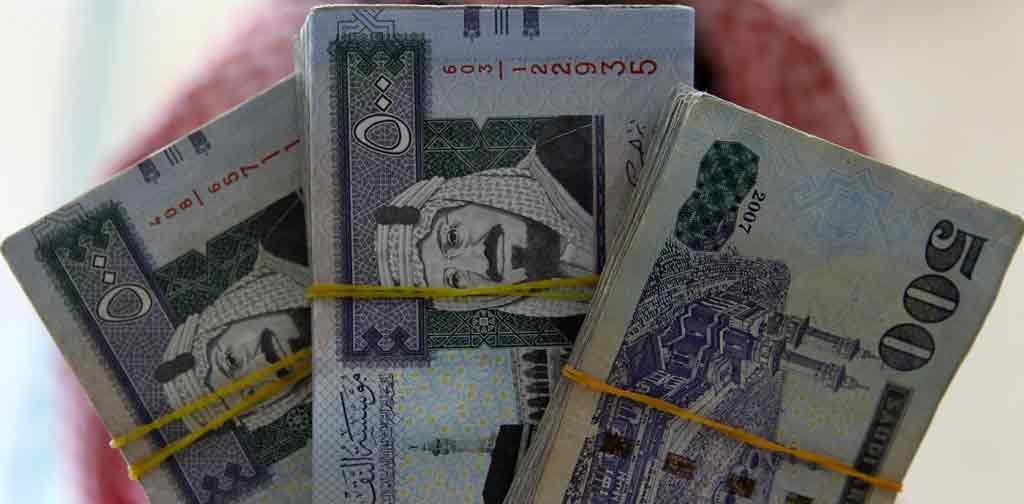
 DUBAI: Saudi Arabia authorities said on Sunday they would list local currency government bonds on the Saudi Stock Exchange on April 8, part of efforts to spur secondary market trading of debt and strengthen state finances.
The Capital Market Authority said over 204.4 billion riyals ($54.5 billion) of riyal bonds with maturities of five, seven and 10 years would be available to trade, including floating- and fixed-rate bonds and Islamic instruments.
"The listing of government debt instruments on Tadawul is a key pillar of the Saudi government's strategy to make the kingdom a global investment powerhouse," said Fahad al-Saif, president of the Saudi Debt Management Office.
Authorities hope exchange-based trading of government debt will help to expand ownership beyond banks to insurers, mutual funds and even individual investors, making it easier for the government to finance its budget deficit.
By creating transparent benchmark prices for debt, the trading could also encourage more Saudi companies to issue corporate bonds, reducing their reliance on bank lending, which is high by international standards.
In mid-2015, the government began offering local currency bonds in monthly auctions to help cover a huge budget deficit caused by low oil prices.
It suspended those issues in late 2016 as banks struggled to absorb so much debt and Riyadh began to borrow overseas, but launched monthly sukuk issues in mid-2017.
























Comments
Comments are closed for this article.