

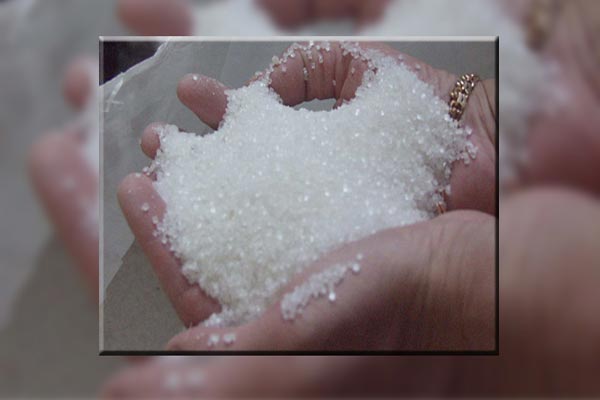
 LONDON: Raw sugar futures on ICE held on to losses on Wednesday after data showing a brisk cane crush in centre-south Brazil in the first half of May met trade expectations, while cocoa eased in spread-related dealings.
Coffee steadied, supported by concerns over a poor Brazilian robusta (conillon) harvest.
Raw sugar remained lower after the data from cane industry group Unica showed 39.5 million tonnes of cane were crushed in the first half of May, in line with market expectations.
"It's hard to be surprised by a big number," a senior analyst with a Western trade house said, adding he expected more days to be lost to the crush in the second half of May and in the first half of June due to rains.
July raw sugar edged down very slightly after the Unica data and was off 0.26 cents, or 1.5 percent, at 17.22 cents per lb by 1325 GMT, having risen on Tuesday to the highest level since early July 2014 at 17.70 cents a lb.
Expectations that the global sugar market was moving into deficit have buoyed prices.
August white sugar fell $7.20, or 1.5 percent, to $476.60 per tonne.
Cocoa futures were lower, pressured by early selling of the July/September spread in New York.
"There was a concentrated selling effort from the opening," one London dealer said, adding the premium had dipped to around $15 from Tuesday's close of $35.
The climb in the premium to a contract high of $40 on Tuesday had been driven partly by concerns about the poor quality of West African mid-crops and rising differentials in the cash market.
September New York cocoa was off $18 or 0.6 percent at $3,008 a tonne.
The market remained underpinned, however, by crop concerns, with a substantial global deficit widely anticipated in 2015/16.
September London cocoa was off 4 pounds or 0.2 percent at 2,203 pounds a tonne in light volume.
Coffee futures steadied, with the trade digesting a forecast by CoffeeNetwork for a global surplus of 3.8 million bags in 2016/17, after a deficit of 0.6 million bags in 2015/16.
"More pronounced support for robusta prices (since end-2015) has stemmed from the fact that, while total output in Brazil is forecast to increase, within the national total expectations are for a lower conillon crop," it said.






















Comments
Comments are closed for this article.