

India extends detention of Kashmir's political leaders
- The extension was issued under India's Public Safety Act (PSA) which allows detention without trial for up to two years.
- The four leaders include two former chief ministers of Jammu and Kashmir and two regional party leaders.
- The four were originally held under a law that allows a maximum detention of six months and their terms were about to expire.
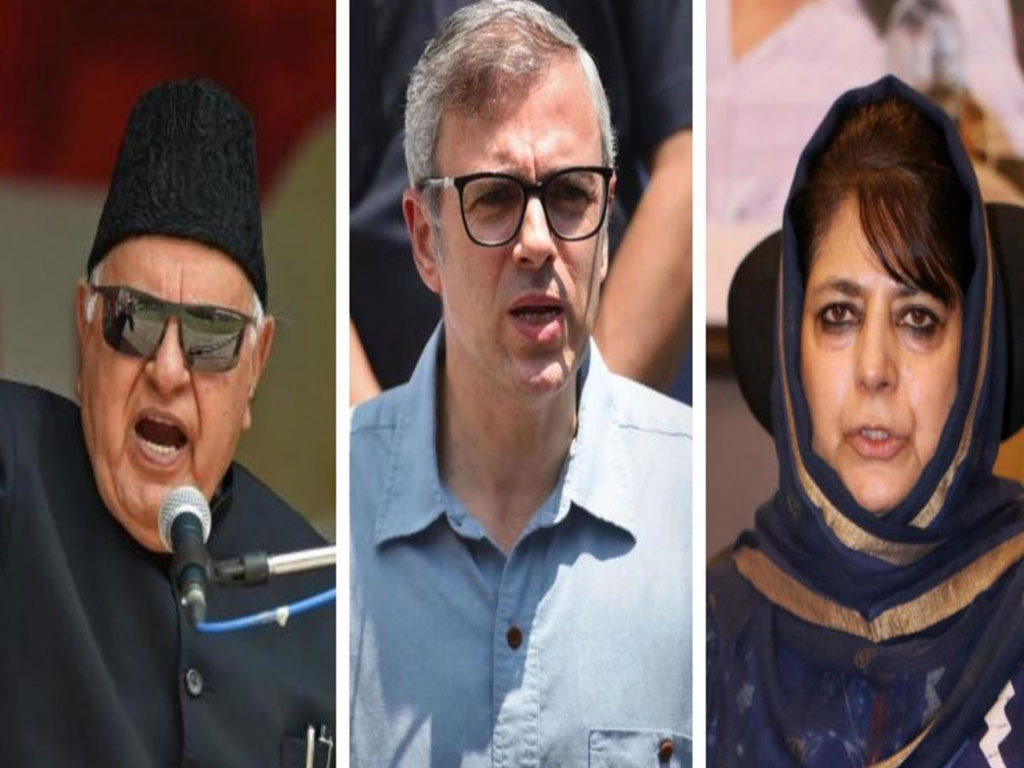
(SRINAGAR) India has extended the detention of four political leaders in Kashmir and a prominent lawyer who have been held since August to quell dissent after the federal government stripped the region of its autonomy, officials and a lawyer said on Friday.
The extension was issued under India's Public Safety Act (PSA) which allows detention without trial for up to two years, the officials in Srinagar, the summer capital of Jammu and Kashmir, told Reuters.
The four leaders include two former chief ministers of Jammu and Kashmir - Omar Abdullah and Mehbooba Mufti - and two regional party leaders, Ali Mohmmad Sagar and Sartaj Madni, the officials said
The four were originally held under a law that allows a maximum detention of six months and their terms were about to expire. "So they had to be either released or booked under PSA," said one government official.
"Several other regional leaders who have also completed six months under preventive detention are likely to be booked under PSA," a second official said.
The officials requested anonymity due to the sensitivity over security matters.
A spokesman for India's home ministry was unavailable for comment. In a reply to parliament on Thursday, the ministry said 389 people in Kashmir had been held under the PSA since August.
The Jammu and Kashmir High Court on Friday also dismissed a plea challenging the detention of Kashmir's Bar Association President Mian Abdul Qayoom.
Qayoom, a supporter of separatist groups that want the region to secede from India, has been detained under the PSA in a jail in the country's capital New Delhi.
"We will appeal against the decision," Qayoom's lawyer Zafar Shah told Reuters.
Kashmir was at the heart of two of the three wars fought by India and Pakistan since independence in 1947, and the dispute between the now nuclear armed neighbours over the Himalayan region remains unresolved.
Ahead of scrapping of Kashmir's autonomy last year, India's federal government detained about 5,000 people including businessmen, civil society members, lawyers and activists to prevent protests breaking out.
The Indian government has argued that the detention of politicians and an internet blackout was needed to maintain order in a region where security forces have been fighting a long-running insurgency encouraged by Pakistan. Islamabad denies giving material support to the insurgency.
The removal of autonomy and subsequent crackdown in Kashmir has also drawn international criticism and diplomats from several countries say they have raised human rights concerns with India's foreign ministry.
"Slapping the draconian PSA ... is expected from an autocratic regime that books nine-year-olds for 'seditious remarks'. Question is how much longer will we act as bystanders as they desecrate what this nation stands for?" Iltija said.
Last month, India's Supreme Court rebuked the government for shutting down the internet and telecommunications in Jammu and Kashmir, which was India's only Muslim-majority state before it was split into two federally administered territories.
A ban on public meetings remains in place, but unrest seen in the weeks after Prime Minister Narendra Modi's government stripped Kashmir of its autonomy has died down, and an uneasy calm prevails amid a heavy security presence.

















Comments
Comments are closed for this article.