Business Recorder

Loading Stock data...

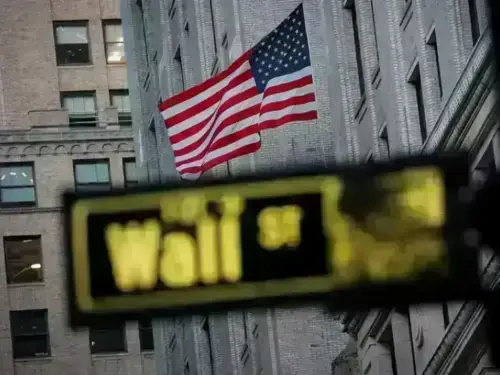
global_marketNEW YORK: Stocks and the euro slid and safe-haven government bonds rose on Friday as the latest effort to impose austerity measures in Greece came under pressure, casting doubt on the prospects for a bailout deal aimed at averting a messy debt default.

The leader of the smallest party in Prime Minister Lucas Papademos' coalition government, George Karatzaferis, said he could not vote in favor of a 130-billion-euro bailout agreement Greece needs to avoid default in March.

Although the party has only 15 deputies out of 300, his comments drove nervous investors to sell stocks and the euro ahead of a parliamentary vote on the deal scheduled for Sunday.

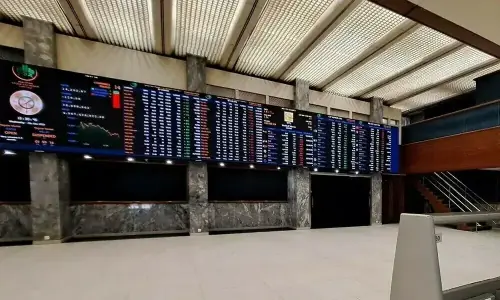
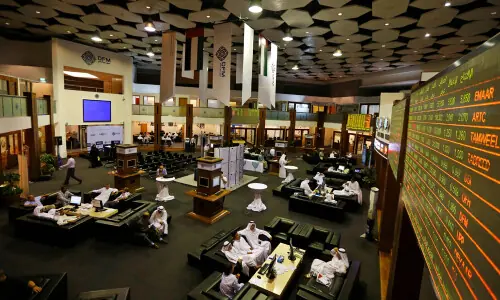
Selling was broad on Wall Street. Declining issues outpaced advancing shares by almost 4 to 1 among New York Stock Exchange-listed shares. The CBOE Volatility index, a measure of volatility known as a "fear index," spiked about 10 percent, its biggest jump in three months.

The declines put the benchmark Standard & Poor's 500 Index on pace for its first weekly decline in the past six.

"Given the fact we've got a seven percent rally in six weeks and a 25 percent rally in four months, it's perfectly reasonable that we should have a little bit of a pause here," said Phil Orlando, chief equity market strategist at Federated Investors, in New York.

The Dow Jones industrial average was down 112.69 points, or 0.87 percent, at 12,777.77. The Standard & Poor's 500 Index was down 10.20 points, or 0.75 percent, at 1,341.75. The Nasdaq Composite Index was down 19.94 points, or 0.68 percent, at 2,907.29.

A pre-weekend scramble for safety reversed the previous day's decline in government debt prices, spurred by optimism Greece would soon receive a second bailout. Those hopes pushed the 30-year U.S. Treasury bond yield to its highest since late October.

"It's all about Greek headlines now. Markets are facing another face-off and generally speaking, investors don't like being short Treasuries when these things are going on," said David Keeble, global head of interest rates strategy at Credit Agricole Corporate & Investment Bank in New York.

Earlier, euro zone finance ministers gave a lukewarm response to an inter-party agreement from Athens on austerity measures and set more conditions for Greece to secure a second bailout needed to ensure it can meet debt repayments next month.

That left the Greek rescue deal in limbo ahead of the weekend and tempered some of the enthusiasm seen in financial markets on Thursday after Greek political leaders clinched an agreement on austerity after weeks of talks.

"Markets seem to have had enough of it for now," said Credit Agricole rate strategist Orlando Green. "It may just be kicking the can down the road again as debt is in unsustainable territory and whether they (Greece) can deliver something long lasting is another question."

The FTSEurofirst 300 index of top European shares fell 0.9 percent to close of 1,064.05.

Earlier, Asian stocks also lost ground, pushing global stocks as measured by MSCI's all-country world equity index down 1.3 percent at 323.89.

Still, the index is up more than 20 percent from its October trough as low interest rates from major central banks and a huge cash injection by the European Central Bank fueled a rally in stocks, commodities and higher-yielding currencies.

The euro was off 0.8 percent against the dollar at $1.3183.

BACK TO THE DRAWING BOARD

The Greek plan agreed by Athens has fallen short of targets needed to bring its debt down to a more sustainable footing.

Jean-Claude Juncker, who chairs the Eurogroup, said the Greek parliament must ratify the package when it meets on Sunday with a further 325 million euros of spending cuts needed to be put in place by next Wednesday, after which euro zone finance ministers would meet again.

Finally, Juncker said, the leaders of the coalition parties must give strong political assurances that the program will be implemented.

Facing elections as soon as April, Greek political leaders are loath to accept tough measures with rising social unrest and mounting unemployment compounding the country's woes.

Growth-linked currencies such as the Australian dollar and commodities like copper and oil eased as investors cut exposure to riskier assets and preferred the safety of U.S. Treasuries and German Bunds.

The benchmark 10-year U.S. Treasury note was up 20/32 in price to yield 1.97 percent.

March Bund futures were more than a point higher at 138.47, with 10-year yields almost 10 basis points lower at 1.91.

Risk appetite was also crimped after China's trade activity fell in January by the most since the depths of the financial crisis, raising concerns about the resilience of domestic demand that has shielded the world's second-largest economy as exports have slackened.

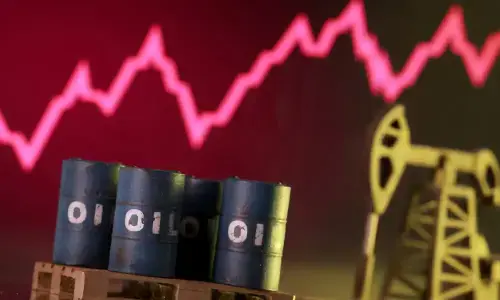
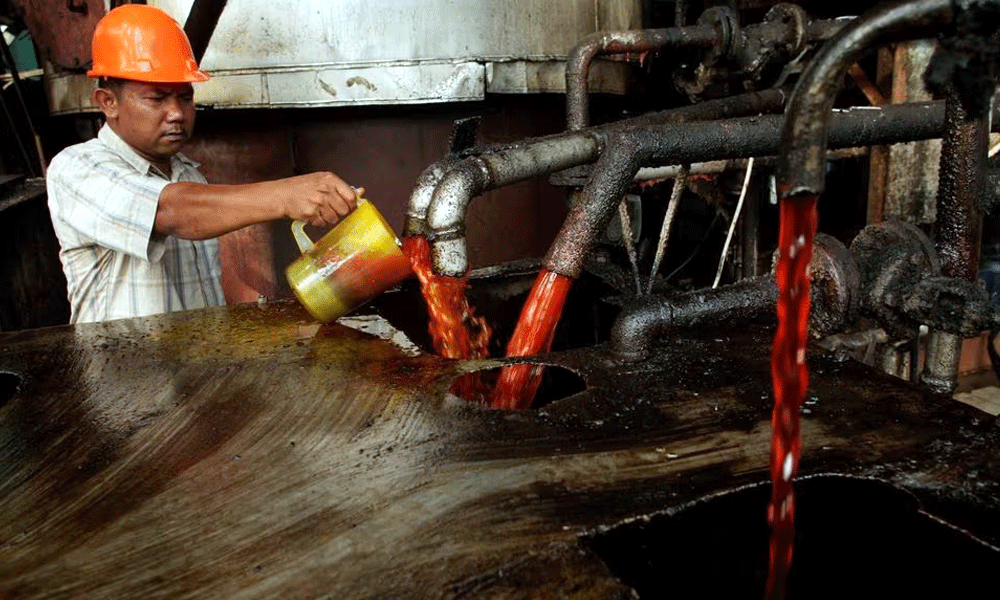
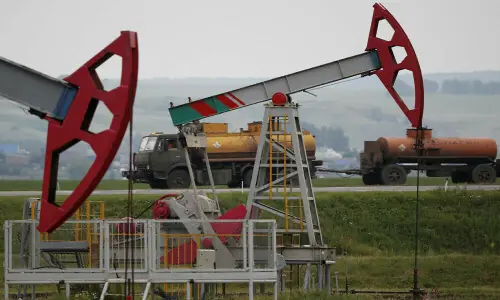
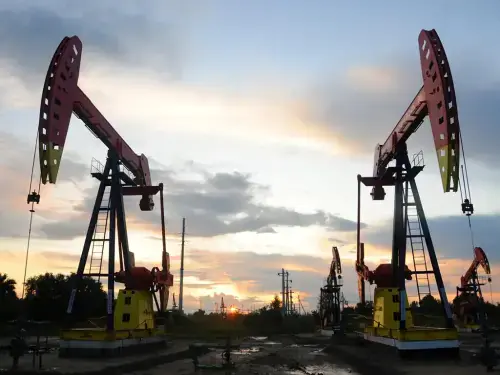
Crude oil slipped, halting an eight-day rally, as the International Energy Agency cut its oil growth demand forecast for a sixth consecutive month due to a weak global economy.

The fall was limited by robust Chinese oil demand and political tensions over Iran.

Brent crude futures fell $1.21 to $117.38 a barrel.

U.S. crude, which had climbed for three days until Thursday, fell $1.38 to $98.46 a barrel.

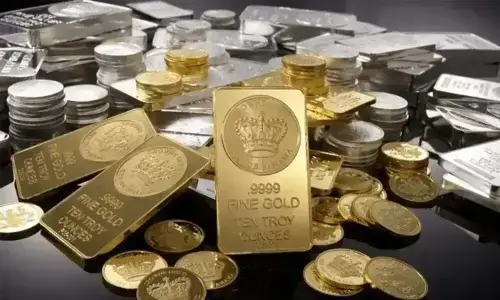
Spot gold prices fell $9.76 to $1,719.30 an ounce.


Copyright Reuters, 2012


Energy Challenges Review

China Wholesale

brindex
10392.09   Arrow 32.38
+

Budget 2011-12


Disclaimer | Privacy Policy | Terms of Use | Contact Us | Careers | Help | Site Map Aaj TVAaj TV Urdu Stock News | Play TV