


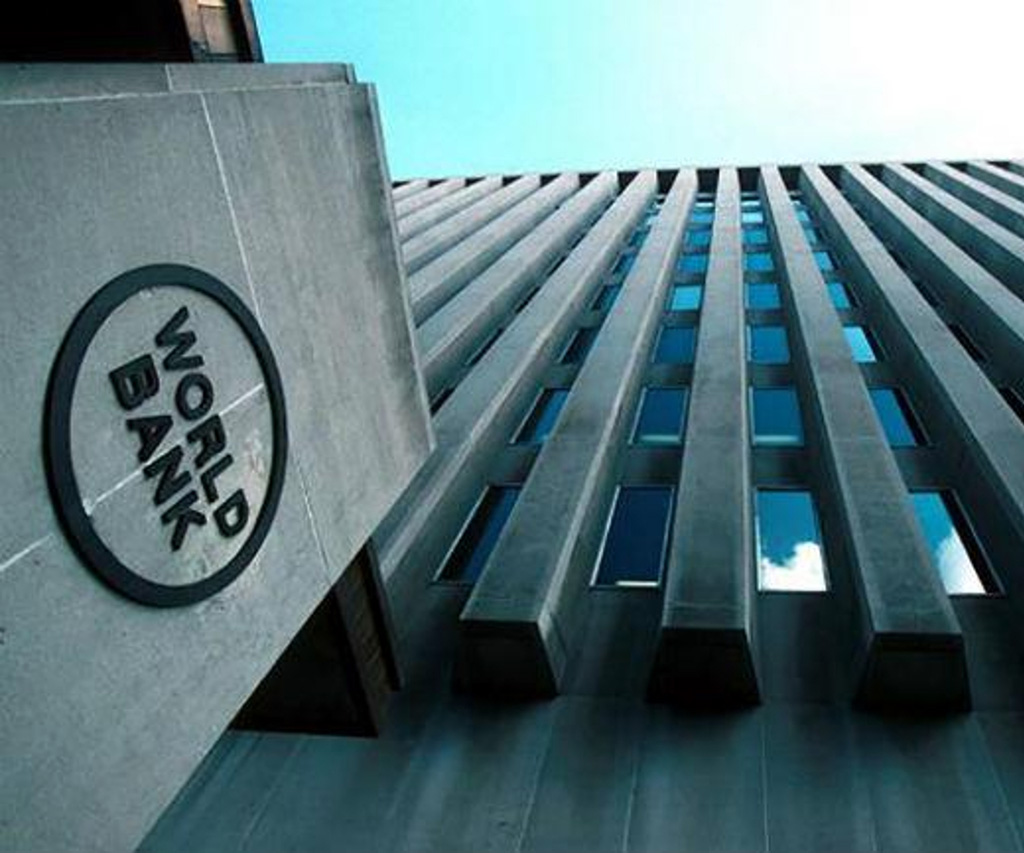
 BELGRADE: The World Bank lowered its forecast for economic growth in the western Balkans to 3.2 percent in 2018 from its previous forecast of 3.3 percent and warned that structural reforms are necessary if the region wants to grow sustainably over the medium term.
The bank also said it expected the region, which comprises Albania, Bosnia, Kosovo, Macedonia, Montenegro and Serbia, to grow 3.5 percent in 2019, down from the 3.6 percent foreseen in a November 2017 report.
The bank identified trade protectionism, normalization of interest rates globally, low potential growth and uncertainty about domestic policy reversals as key risks to the outlook.
"These risks can be mitigated by rationalizing spending to build fiscal space for growth-enhancing reforms, and by a more strategic approach to boost competitiveness," it said.
Before the 2008 global financial crisis, the Balkan states were flooded with cheap capital, which fuelled average growth of 5 to 7 percent a year.
The International Monetary Fund and other international organisations have called on the six countries to reduce their public sectors, reform their pension systems and privatise state-controlled companies to tackle a sharp rise in budget deficits and the unemployment.
In its report, the World Bank said that while unemployment fell in most of the countries in 2017, it ranged from 13.5 percent in Serbia to 30.4 percent in Kosovo.
"Over 80 percent of new jobs were in services, mostly retail and wholesale trade, supported by growth in consumption," it said.
Only Serbia and Bosnia recorded budget surpluses in 2017. In the rest of the region, deficits continued, driven by recurrent spending, often on poorly targeted social benefits and subsidies.
To remedy that, Albania, Montenegro, and Kosovo are now working to revive growth-enhancing capital investment, the World Bank said.
"Careful financial, public investment, and budgetary management will help ensure that fiscal risks associated with investments are minimized," the report said.





















Comments
Comments are closed for this article.