


There was an exhibition of political power to attract electric power in Lahore earlier this week. There is a case of energy deficit, and everyone is trying to grab a share of the shrinking pie. The one who has greater political clout gets bigger pie - this time, the Chief Minister of Punjab is the winner. It was more of a face-saving exercise.
Nonetheless, its better than a status quo and equitable distribution is the right choice. But the process shouldn be ad hoc; rather institutional framework should be used at a national level to address the needs of all stakeholders.
The conservation of the energy plan cannot be managed just by enforcing businesses to close earlier, having two holidays a week, or forcing shorter marriage ceremonies. You can price it at higher rates in the peak hour or could use other pricing tools for conservation.
After the 18th Amendment, provinces have the right to not supply gas to others if their own need is not being met - that is causing a rift between Punjab and Sindh. With more industrial usage, nearly 2/3rd of countrys electric power needs emanate from Punjab.
Even shutting down industry for one more day in Sindh does not resolve Punjabs issue. The issue is not the availability of gas but the desire for cheap gas. Gas should be priced properly with other competing fuels - only then will the demand for gas ebb.
The issue in both gas and electricity is demand-pull not
supply-push. The excess demand with supply constraint in any market is to be dealt with higher prices. Period. The wastage of both electricity and gas can be conserved by consumers cautious use, which could then incentivize producers to come up with new plants, helping the market find equilibrium eventually.
This is the best recipe to minimise the circular debt; but of course, enforcement is an issue. Without delving into the domain of how to minimize theft, a model of KESC should be followed by all. Those discos which have better collection shall be rewarded with fewer hours of loadshedding and vice versa. The inhabitants themselves can make sure that the noncompliant in their neighbourhood clear their dues - a community-based check-and-balance solution.
Gas allocation can be dealt with similarly. The issue is not gas itself, but cheap gas, and prices have to be rationalized as imported gas will soon enter the system by pricing domestic gas with imported LNG and LPG via the gas levy.
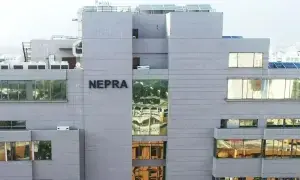
The two regulatory agencies must monitor load management - Nepra in case of electricity and Ogra in case of natural gas. Therefore, the expertise in both institutions needs to be upgraded. They are required to be manned by professionals with requisite knowledge and experience rather than several retired bureaucrats.






















Comments
Comments are closed for this article.